
One of the most common questions we hear at the end of a pottery class is:
“What happens to my pot now?”
After spending time shaping clay on the wheel or hand-building a piece in the studio, it can feel a little mysterious handing it over and waiting a few weeks before seeing the finished result. But behind the scenes, there’s a fascinating journey that transforms soft clay into the ceramic piece you take home.
Here’s what happens next…
Stage 1: Drying
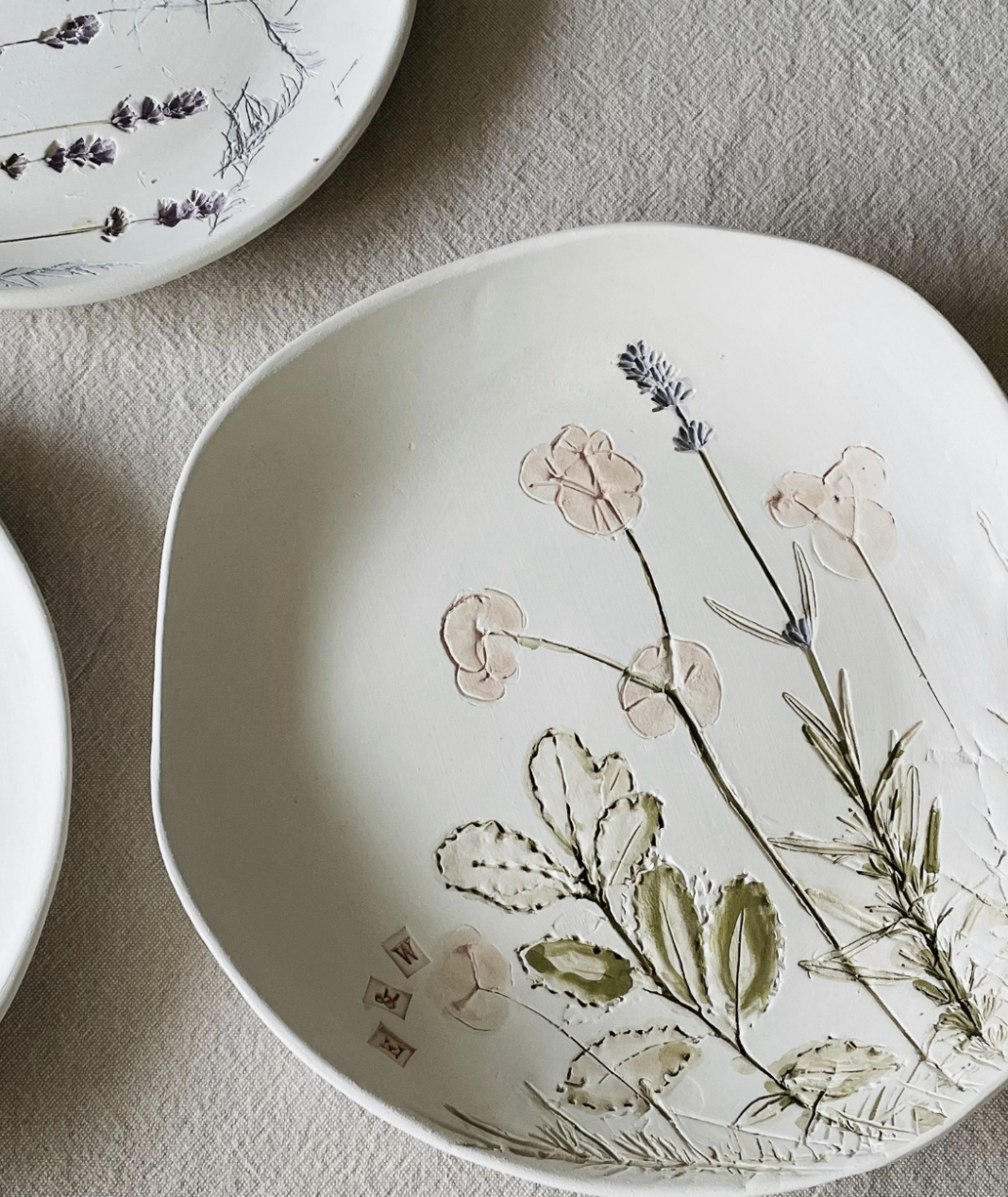
Once you’ve finished shaping your pot, it enters the drying stage.
Fresh clay (known as greenware) is still full of moisture and very fragile. Before it can go anywhere near the kiln, it needs to dry slowly and evenly. If clay dries too quickly it can crack or warp, so we carefully control the environment in the studio to allow the process to happen gently.
This stage requires a little patience - something pottery teaches us very well.
Stage 2: Bisque Firing
Once your pot is fully dry, it’s ready for its first trip into the kiln.
This firing is called the bisque firing, where the kiln heats up to around 1000°C. During this stage the clay transforms from a fragile, chalky material into a durable ceramic form.
Your pot is now much stronger and easier to handle, but it’s still porous - which is perfect for the next stage.
Stage 3: Glazing
Glazing is where your piece begins to come to life.
Glaze is essentially liquid glass mixed with minerals and pigments. When applied to the surface of the bisque-fired piece and fired again, it melts and fuses to the clay, creating colour, texture, and a beautiful finish.
This is when pieces really reveal their personality. Glossy or matte, earthy or vibrant - glazing adds that final layer of character.
Stage 4: The Final Firing
After glazing, your pot goes back into the kiln for the final firing.
At these high temperatures the glaze melts and bonds permanently to the clay body, creating the smooth, finished ceramic surface you’re familiar with.
When the kiln cools and the pieces are unloaded, it’s always an exciting moment in the studio. Every firing brings a little element of surprise, and it’s wonderful to see each piece emerge with its finished colours and textures.
Why Pottery Takes Time
From start to finish, this process usually takes 4-6 weeks. While it might feel like a long wait, this slower pace is part of what makes pottery so special.
Clay teaches patience. It asks us to trust the process and enjoy the journey rather than rushing to the end result.
And when you finally collect your finished piece, that sense of pride makes it all worth it.
Ready to Make Your Own?
If you’ve ever wondered what it feels like to shape something with your hands and watch it transform through the kiln, why not give pottery a try?
At Chisel Pottery we offer beginner-friendly workshops, weekly pottery classes, and wheel-throwing experiences designed to help you create pieces you’ll be proud to take home.
Come make something - and we’ll take care of the rest!